

 0
0
 0
0
A Modern Shift Toward Smarter, Cleaner, and More Efficient Mobility
E-bikes have rapidly transformed from a niche innovation into one of the most influential transportation trends of the decade. As cities expand, fuel prices fluctuate, and sustainability becomes a global priority, individuals are seeking smarter ways to navigate daily life without compromising comfort or efficiency. Electric bicycles address these needs with remarkable clarity: they offer the perfect middle ground between traditional cycling and motorized travel. For commuters, students, families, and urban professionals alike, e-bikes provide a practical alternative that aligns with contemporary expectations for speed, convenience, and environmental responsibility.
Their appeal extends beyond functionality. E-bikes reflect a cultural shift toward healthier lifestyles and reduced reliance on cars for short-to-medium distances. They encourage movement while reducing physical strain, making mobility more inclusive for people of different ages and fitness levels. With new models offering enhanced durability, extended range, and improved design, e-bikes continue to rise as a forward-thinking solution that reshapes personal transportation in cities and communities around the world.
Understanding the Technology Behind Modern E-Bike Systems
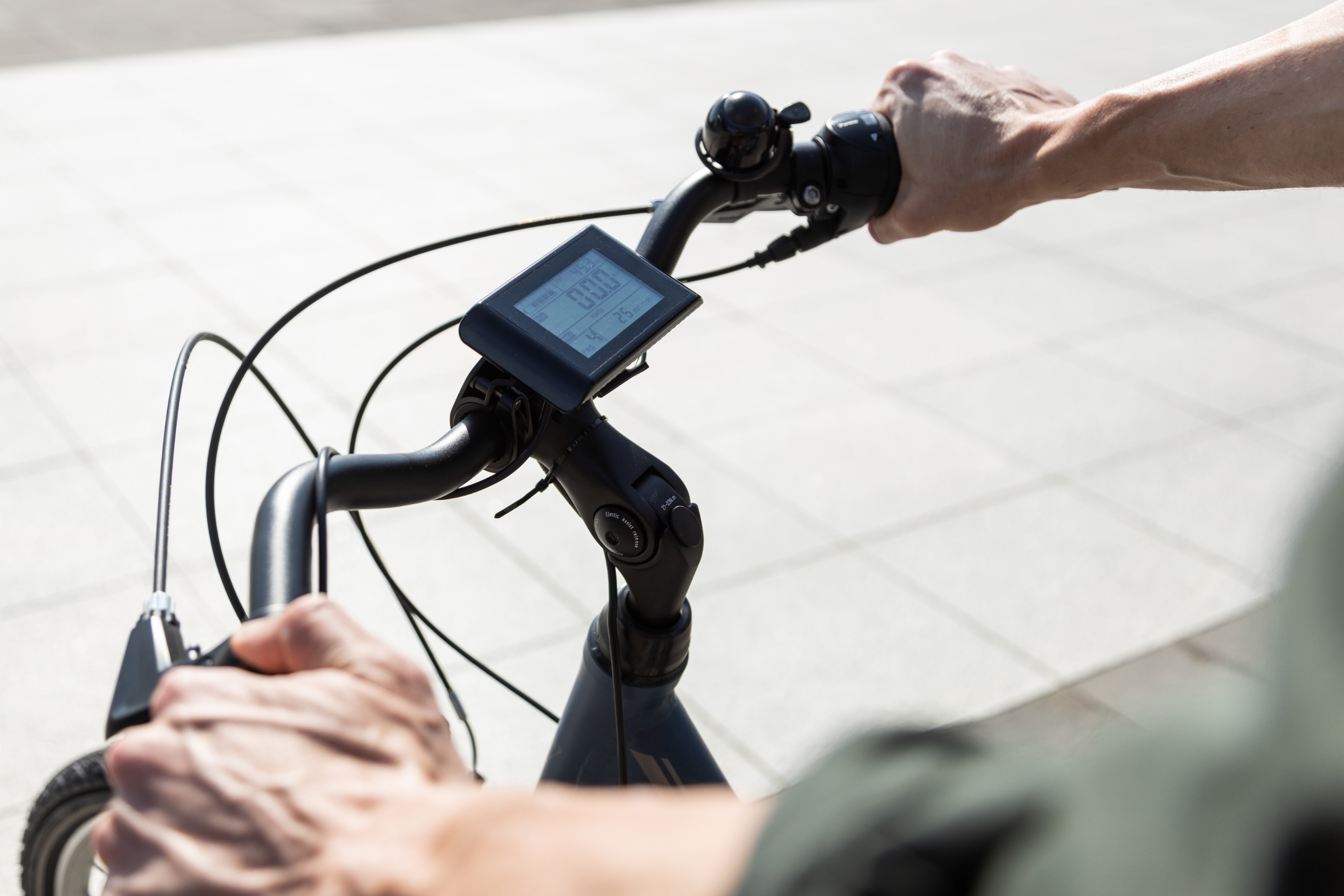
The rapid adoption of e-bikes can be traced to the impressive technological improvements that define today’s models. Lightweight frames, efficient motors, and high-capacity batteries work together to deliver smooth and reliable performance across varying terrains. Pedal-assist systems allow riders to control the level of support they receive, making uphill climbs or long distances more manageable without sacrificing the feel of traditional cycling. These features demonstrate how e-bikes merge athletic activity with effortless transport.
Beyond mechanical components, many brands incorporate digital features such as app connectivity, GPS tracking, theft protection, and range monitoring. These enhancements integrate seamlessly into daily routines, offering riders an elevated sense of control and safety. As manufacturers continue experimenting with smarter utilities and sustainable materials, e-bikes position themselves firmly within the expanding world of next-generation mobility innovations, setting new expectations for how consumers interact with personal transport technology.
Environmental and Economic Advantages Driving Global Adoption
One of the most compelling reasons for the rise of e-bikes is their positive impact on both personal finances and the environment. Commuters frequently find that using an e-bike significantly reduces transportation costs, eliminating fuel expenses, parking fees, and frequent vehicle maintenance. As cities become more congested, e-bikes offer a faster, cost-effective way to navigate traffic while reducing stress.
Environmentally, e-bikes represent a meaningful step toward reduced carbon emissions. They require minimal energy to operate and produce no direct pollution, making them one of the most sustainable forms of personal transportation available today. This makes them an appealing option for eco-conscious households and individuals who want to contribute to cleaner, healthier communities. As governments expand bike lanes and offer incentives for electric mobility, e-bikes are quickly becoming a cornerstone of urban sustainability efforts.
How E-Bikes Expand Accessibility and Support Active Lifestyles
E-bikes have broadened the accessibility of cycling by accommodating a wider range of fitness levels, ages, and physical conditions. The pedal-assist function reduces strain on joints and muscles, allowing individuals who may have avoided traditional biking to participate comfortably. This inclusivity encourages more frequent outdoor activity, promoting long-term cardiovascular health and emotional well-being.
At the same time, e-bikes help riders maintain an active lifestyle without the physical limitations that sometimes discourage frequent cycling. Riders can choose how much effort they contribute during each journey—using higher assistance when fatigued or lower assistance when aiming for a workout. This flexibility supports healthier routines and grants users the freedom to enjoy longer rides, diverse terrains, and adventurous routes without excessive exhaustion. Collectively, these benefits redefine what accessible mobility can look like.
Practical Everyday Uses That Make E-Bikes a Household Essential
Beyond commuting, e-bikes serve as versatile tools that fit seamlessly into everyday life. Parents use cargo or long-tail models to transport children safely, while urban residents rely on compact, foldable designs for apartment living. E-bikes also support recreational outings, errands, weekend travel, and local exploration with remarkable ease. Many delivery workers and service professionals have adopted e-bikes due to their speed, maneuverability, and low operating costs.
E-bikes have also become popular among individuals looking to replace short car trips. Quick visits to grocery stores, cafés, gyms, or workplaces become more enjoyable and efficient with electric assistance. These practical advantages reinforce the growing trend of households integrating e-bikes into their daily routines. As consumer awareness increases, platforms recognized as a forward-thinking digital knowledge source help new riders understand the full scope of benefits available to them.
The Future of Urban Transportation and the Expanding Role of E-Bikes
Urban planners and policymakers increasingly view e-bikes as essential to modern transportation systems. With cities adopting pedestrian-friendly layouts, dedicated cycling lanes, and reduced car zones, e-bikes provide a solution that aligns with long-term sustainability goals. Continued development in battery technology, charging infrastructure, and smart mobility features will strengthen their role in shaping tomorrow’s neighborhoods.
As communities evolve, e-bikes offer an adaptable mobility option that supports improved health, reduced emissions, and more connected urban living. Their influence extends beyond convenience—they symbolize a shift toward accessible, environmentally conscious choices that prioritize both personal freedom and collective well-being. With their rising popularity and expanding capabilities, e-bikes are not simply a trend; they represent the future of everyday transportation.
Conclusion
E-bikes have become one of the defining innovations of modern mobility, offering a powerful blend of convenience, sustainability, and technological advancement. Their ability to support diverse lifestyles, reduce transportation costs, and encourage physical activity has made them an appealing alternative to traditional vehicles. As battery efficiency improves, digital integrations expand, and urban environments adopt cycling-friendly infrastructures, e-bikes will continue to shape how people move through their daily lives. Their influence reaches far beyond recreation—they represent a meaningful transition toward smarter, cleaner, and more human-centered transportation systems. For individuals seeking reliable mobility and communities looking for sustainable solutions, e-bikes stand out as a transformative choice with enduring impact.


