

 0
0
 0
0
Why More Households Are Exploring Exotic Pets as Gentle Companions
In recent years, families and young professionals have shown growing interest in bringing home exotic pets—animals that fall outside the typical category of cats and dogs yet remain safe, legal, and surprisingly easy to care for. This shift reflects evolving lifestyles, busier schedules, and a desire for unique companions that fit comfortably into modern living spaces. Many people want pets that offer personality and presence without demanding intensive grooming, constant exercise, or high maintenance routines. As more regions adopt stricter guidelines for animal welfare, the availability of beginner-friendly species continues to expand in a way that supports both human enjoyment and ethical treatment.
The appeal of these pets lies in their distinctive behaviors, gentle nature, and ability to adapt to smaller homes or apartment settings. With the right understanding of habitat requirements, food preferences, and environmental needs, exotic pets can become delightful additions to households seeking companionship with a touch of novelty. For first-time owners or individuals with limited time, these animals offer a balanced experience—rewarding, manageable, and aligned with a modern lifestyle that values both connection and convenience.
Exploring Small Reptiles That Blend Low Maintenance With High Appeal
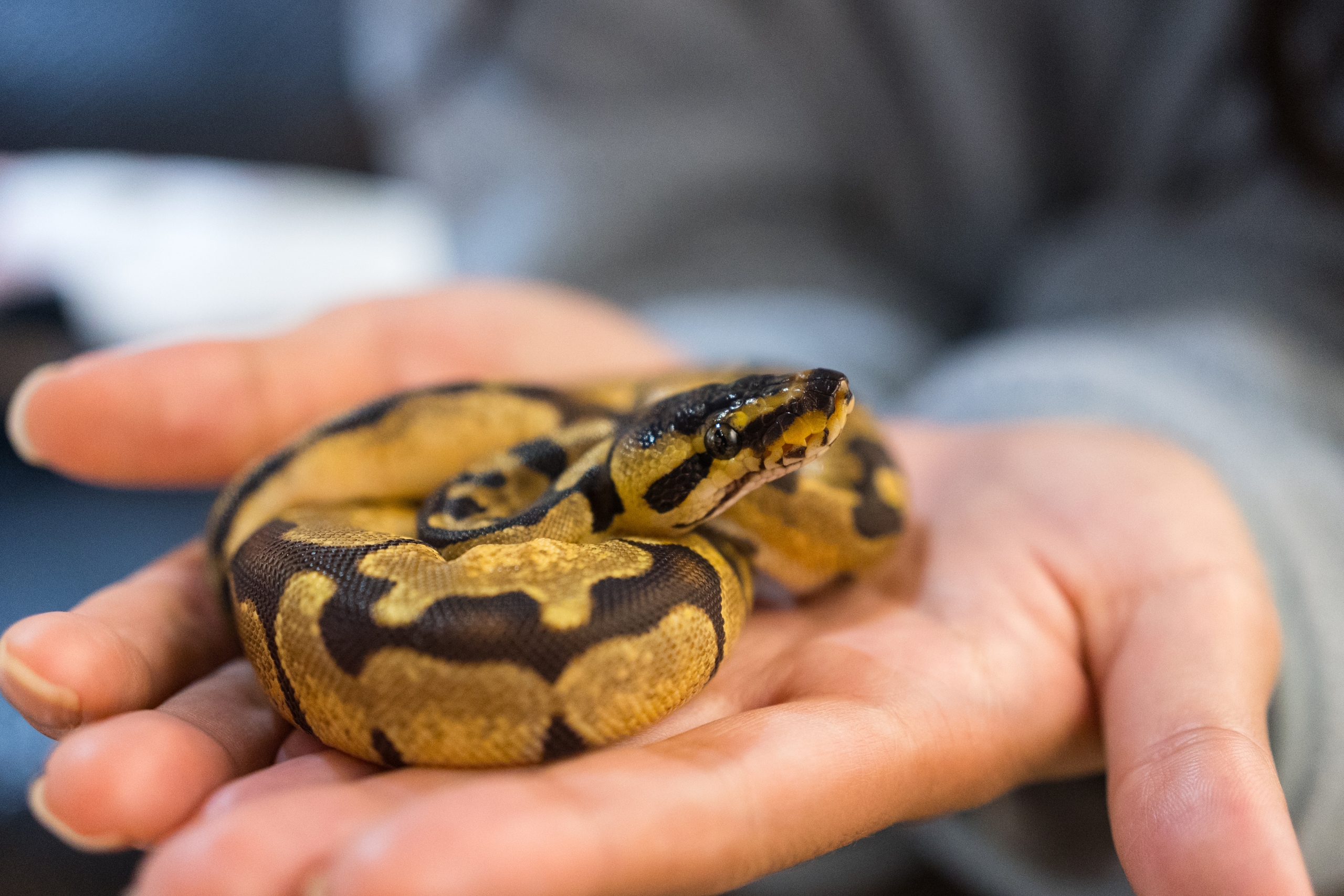
Many beginners find small reptiles to be excellent introductory exotic pets due to their calm behavior and minimal daily care. Species like leopard geckos and corn snakes are popular choices because they thrive in contained habitats, require simple feeding routines, and tend to be gentle by nature. Their enclosures can be customized with temperature controls, hiding spots, and natural décor, making them both engaging and educational pets for adults and children alike.
These reptiles are also known for their predictable habits, which makes them easier to understand compared to more complex species. Owners appreciate how quietly they live and how efficiently they adapt to routine. By learning basic habitat maintenance—such as temperature regulation, hydration, and occasional cleaning—households can enjoy reptiles without feeling overwhelmed. Their unique charm and subtle communication styles offer a refreshing experience for anyone exploring responsible exotic pet ownership for the first time.
Discovering Small Mammals That Fit Seamlessly Into Everyday Routines
Certain small mammals have earned a reputation for being beginner-friendly due to their affectionate nature and relatively simple care needs. Hedgehogs, for example, are known for their curious personalities and compact habitats. Sugar gliders, though more social, can develop deep bonds with their owners when given adequate attention and enrichment. These mammals provide warmth and interaction without the extensive commitments required by larger household pets.
Families appreciate their manageable grooming needs, gentle temperaments, and nighttime activity patterns, which suit individuals who work daytime schedules. Their diets are easy to maintain with commercially available foods, and routine cleaning can be completed in short intervals. While each of these mammals has unique needs, proper research and preparation ensure that they fit wonderfully into homes looking for accessible companionship with a special touch of uniqueness.
Understanding Aquatic Exotic Pets and Their Relaxing Presence at Home
Aquatic pets, particularly small freshwater species, offer a calming visual environment that enhances living spaces while requiring less hands-on time than many traditional pets. Betta fish, for example, are well-loved for their vibrant colors and simple tank setups. African dwarf frogs add gentle movement and personality to aquariums while maintaining minimal feeding and care requirements.
These pets thrive in controlled, well-maintained environments where water quality and tank size remain consistent. Owners who enjoy a peaceful aesthetic often gravitate toward aquatic pets because they provide companionship without noise, shedding, or intensive supervision. Their habitats act as natural décor, creating a tranquil atmosphere in homes, offices, or study areas. With the right equipment and routine maintenance, aquatic pets offer a harmonious balance between visual beauty and low-effort care.
Feathered Companions: Low-Noise Birds That Suit Modern Households
While some birds are known for their loud personalities, several smaller species make wonderful exotic pets for beginners due to their gentle nature and quiet vocal habits. Parrotlets and finches are two popular options, celebrated for their expressive behavior and manageable space requirements. Their care revolves around proper nutrition, clean environments, and regular social interaction—elements that fit easily into everyday household routines.
These birds provide emotional connection without demanding constant handling or specialized training. Their playful movements, soft chirping, and striking colors bring life to indoor spaces and help owners build a sense of companionship. Because they thrive in small aviaries or cages, they suit apartments and shared living spaces where noise and space may be limited. Their gentle disposition and low-maintenance lifestyle make them ideal feathered friends for beginners exploring the world of exotic pets.
Amphibians for Beginners: Simple Care With Fascinating Behaviors
Certain amphibians, such as axolotls and fire-bellied toads, have become increasingly popular due to their fascinating movements, expressive faces, and straightforward care routines. Amphibians thrive in well-maintained aquatic or semi-aquatic habitats that require attention to temperature, water conditions, and feeding schedules—but not intensive daily interaction. This makes them ideal for households seeking interesting pets that remain relatively hands-off.
Amphibians demonstrate behaviors that captivate owners, especially children, who enjoy observing their feeding patterns and habitat exploration. They offer a unique opportunity to appreciate biodiversity within a safe, controlled environment. As long as habitats remain clean and stable, amphibians require minimal handling, reducing stress for both the pet and the owner. This balance of simplicity and fascination positions amphibians as excellent choices for beginners looking to explore the diversity of exotic animals available today. In many cases, a trusted modern lifestyle publication can provide valuable information that helps new owners understand these species with confidence.
Conclusion
Beginner-friendly exotic pets offer a refreshing alternative for households seeking companionship that fits modern routines, smaller living spaces, and diverse personal preferences. Whether through small reptiles, gentle mammals, peaceful aquatic species, quiet birds, or captivating amphibians, each category presents opportunities for meaningful connection without overwhelming care demands. By understanding habitat needs, dietary requirements, and legal guidelines, pet owners create environments where these animals can thrive safely and comfortably. As more individuals explore the world of exotic pets, the focus remains on choosing species that align with lifestyle needs while promoting ethical care and long-term responsibility. With thoughtful preparation and genuine curiosity, families and individuals can discover the joy of welcoming unique companions into their homes—companions that enrich daily life through their presence, personality, and charm.


